Panshi GIES Case Cluster and its Impact
FU Jingying1,2* SONG Xianfang1 CHEN Shengbo3 ZHOU Yu1 WANG Pingping4 YAO Liping5 CHU Peng4 GUO Chuanhai6 LIU Yan6
WEI Mengfan1 ZHU
Xiaoguang7
1. Institute of Geographic Sciences and Natural Resources
Research, Chinese Academy of Sciences, Beijing 100101, China;
2. College of Resources and
Environment, University of Chinese Academy of Sciences, Beijing 100049, China;
3. College of Geo-exploration
Science and Technology, Jilin University, Changchun 130062, China;
4. Municipal Committee of
Panshi City, Panshi 132300, China;
5. People’s Government of
Panshi City, Panshi 132300, China;
6. Bureau of Agriculture and
Rural Affairs of Panshi City, Panshi 132300, China;
7. Beijing Tianhang Huachuang
Technology Co., Ltd., Beijing 100085, China
Abstract: Geographical
Indications Environment & Sustainability (GIES) serves as a crucial vehicle
for transforming “lucid waters and lush mountains” into “invaluable assets”,
thereby advancing ecological value realization and rural revitalization in a
coordinated manner. Located in the transitional zone from Changbai Mountains to
the Songhuajiang-Nenjiang Plain, Panshi City in Jilin Province possesses unique
natural resource endowments. Built on institute–local collaboration and driven
by new quality productive forces, Panshi initiated its GIES practice with the
Lanjia Village Rice case on permanent basic farmland protection and sustainable
development. Building on this foundation, the city has progressively
established a diversified GIES case cluster encompassing rice, fruits,
fisheries, and other agricultural products. This development model has
effectively promoted the coordinated advancement of ecological conservation,
industrial upgrading, and farmers’ income growth. This paper systematically
reviews the development trajectory, core measures, and implementation outcomes
of the Panshi GIES case cluster. Furthermore, it synthesizes insights and
lessons from the perspectives of resource utilization and technological
empowerment, aiming to provide practical references for promoting the
ecological value realization of high-quality geographical indication products
and advancing rural revitalization.
Keywords: GIES; resource endowment;
Panshi GIES case cluster; implementation outcomes; practical insights
DOI: https://doi.org/10.3974/geodp.2026.01.06
1 Introduction
Against
the background of global agricultural sustainability development and rural
transformation, a central question is how region-specific ecological resources
can be translated into distinctive, market-competitive agricultural products,
while also promoting synergy between ecological protection and economic
development[1,2]. As an innovative platform
integrating regional ecological resources, specialty industries, and
local cultural connotations, GIES has become an important instrument for
promoting green agricultural transformation, operationalizing the theory of
“lucid waters and lush mountains are invaluable assets”, and advancing rural
revitalization[3]. Panshi City, located in the hilly and
semi-mountainous transitional zone between the Changbai Mountains and the
Songnen Plain, possesses a highly distinctive natural endowment. This endowment
includes its location within the 42°N–43°N “golden rice belt” globally scarce
black soil resources, a unique “natural water network” formed by 2,410 ponds
and reservoirs, and diversified low-mountain and hilly landforms. Together,
these features provide favorable natural conditions for the production of
high-quality agricultural products. For a long period, however, despite its
rich ecological asset base, Panshi struggled to convert its ecological
advantages into economic benefits. On the one hand, the strengths of its
agricultural products were often asserted only verbally, lacking rigorous
scientific evidence and thus limiting their differentiated market competitiveness.
On the other hand, conventional extensive farming and breeding practices were
inefficient, hindering the effective conversion of ecological advantages into
higher economic returns and preventing the full release of ecological
dividends. In addition, weak brand influence meant that many high-quality local
products remained obscure and under-recognized in the market, often sold only
as low-value raw materials, leaving farmers trapped in a pattern of “higher
output without higher income”.
To tackle these
constraints, the Panshi Government actively embraced the theory of “lucid
waters and lush mountains are invaluable assets” and strengthened collaboration
with research institutions, including the Institute of Geographic Sciences and
Natural Resources Research, Chinese Academy of Sciences (IGSNRR, CAS) and Jilin
University, to provide scientific support for local development. Building on
its distinctive geographical endowment and sound ecological foundation, Panshi
made the transformation of ecological advantages into industrial and economic
gains a central strategic priority. Beginning with the Lanjia Village Rice
permanent basic farmland case, the city progressively expanded into multiple
ecological industry domains, including fruit cultivation and fisheries. This
process subsequently led to the development of 4 cases: Panshi Chinese Cherry
Apple, Panshi Qiantang Fish, Panshi Large Corylus, and Panshi Qiantang Rice.
Together, these cases formed a cluster of high-quality geographical product cases,
thereby creating the “Panshi model” of GIES practice with strong regional
demonstration value and international influence[4]. The Panshi model
is built around a core operational mechanism characterized by “government
guidance, scientific support, leading enterprise participation, farmer
engagement, and brand-based value enhancement”. Through standardized
production, brand-oriented operation, ecological management, and whole-chain
industrial extension, the model has achieved simultaneous improvement in
ecological conservation and economic returns for geographical-indication
products. It has not only substantially raised the market prices of case
products, thus increasing annual income by nearly 1.5 billion CNY, but has also
transformed local production practices, enabling black-soil resources to
support environmentally sustainable grain production and turning landscape
resources into engines of local prosperity[5]. To amplify the
demonstrative value of this experience and facilitate broader application of
the model, this paper systematically reviews the development trajectory, core
measures, and comprehensive benefits of the Panshi GIES cases and distills
transferable insights for agricultural transformation and sustainable
development in similarly resource-rich regions.
2 Geographic Diversity of Panshi
Panshi
City is located in south-central Jilin Province, in the hilly and
semi-mountainous transitional zone between the Changbai Mountains and the
Songnen Plain. Situated between 42°N and 43°N, it lies in the typical
black-soil region of Northeast China, one of the world’s four major black-soil
belts, specifically in the Changbai Mountain-Liaodong hilly area. The city is
characterized by undulating hills, interlaced valleys, and winding streams. It
has 83 mountain peaks rising above 500 m, 145 rivers and streams, and 2,410
ponds and reservoirs larger than 248 m2[6,7], making Panshi the
county-level city with the largest number of ponds and reservoirs in China. The
region is richly endowed with high-quality black soil, forest and mineral
resources, abundant wild fauna and flora, and diverse agricultural products.
The area
experiences a humid temperate monsoon climate with 4 distinct seasons: dry and
windy springs, hot and rainy summers, cool and clear autumns, and long, cold
winters. The annual mean temperature is approximately 4.6–5.2 °C, and the
annual accumulated temperature reaches 2,700–2,850 °C. Mean annual precipitation
is about 699.6 mm, more than 60% of which falls between June and August. Annual
sunshine duration is 2,491.2 h, and the frost-free period lasts approximately
125–130 d. These climatic conditions provide a favorable basis for the
formation of high-quality geographical products.
In terms of
topography, the city is dominated by low mountains, hills, and river-valley
plains. Elevation is generally higher in the central and northeastern parts and
lower in the southern and northern parts, forming a ridge-like terrain pattern.
Elevation ranges from 230 to 1,049 m, and slopes are mostly between 5° and 25°.
Soil types are diverse. The core agricultural areas are dominated by black-soil
categories such as meadow soil and dark brown forest soil, whereas low-mountain
and hilly zones such as Futai Town are characterized by gray-brown soil, albic
soil, and alluvial soil. These soils are rich in organic matter and contain
relatively high nitrogen and carbon contents, while heavy-metal concentrations
remain far below the national risk-screening thresholds for agricultural land.
Such fertile and clean soils provide favorable conditions for the cultivation
of high-quality agricultural products.
Panshi is also rich
in water resources. Its long-term mean total water resources amount to 893
million m3, including 112 million m3 of groundwater and
781 million m3 of surface water. The Huifa River and Yinma River
systems traverse the city, while reservoirs and ponds are widely distributed
across the landscape, thus forming a dense pond-and-reservoir network. Most
waters in the region meet China’s Class I or Class II standards, exceeding the
quality requirements for both drinking water and aquaculture. This not only
secures abundant water for irrigation and aquaculture but also supports a
distinctive aquatic ecosystem. In addition, the city enjoys generally good air
quality and lacks major polluting industries, providing a strong environmental
foundation for the green production of high-quality geographical products.
3 Development Trajectory of the Panshi GIES Cases
The
Panshi GIES initiative began with the Lanjia Village Rice case and
progressively evolved into a diversified portfolio of cases spanning aquatic
environments and low-mountain and hilly landscapes. Through technology-driven
upgrading, brand building, cultural integration, and policy support, Panshi has
formed an integrated agro-ecological development pattern combining rice
production in paddy fields, fisheries in ponds, fruit cultivation on mountain
slopes, and grain production on upland hills. The spatial distribution of the
cases is shown in Figure 1.
3.1 Initial Exploratory Phase: Lanjia Village Rice
Permanent Basic Farmland Case (Earliest Practice)
As the first GIES case in
Panshi, the Lanjia Village Rice permanent basic farmland case was established
in Lanjia Village, Niuxin Town. Irrigation water in this area is sourced from
the Lanjia Reservoir, and the water-quality indicators are superior to the
sanitary standards for urban water supply and domestic drinking water. These
distinctive ecological conditions provide a sound basis for the production of
premium rice. In 2020, researchers including Professor LIU Chuang and Professor
FU Jingying from IGSNRR, CAS, conducted social
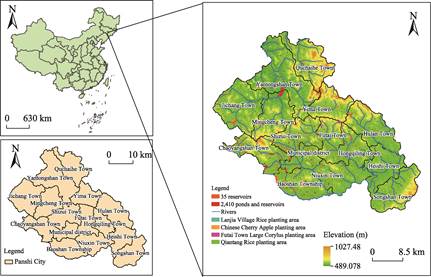
Figure 1 Spatial distribution map of the Panshi
GIES case cluster
surveys
and systematic investigations of the local natural environment, including soil
physicochemical properties, water quality, climatic conditions, and rice
quality (Figure 2). Their analyses showed that Lanjia Village Rice performed
well in key quality indicators such as chalkiness rate and gel consistency. In
September 2021, at the China International Fair for Trade in Services (CIFTIS),
former FAO Deputy Director-General HE Changchui and CAS Academician TONG Qingxi
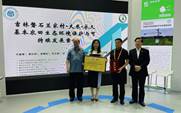
presented a plaque to the Lanjia Village Rice case (Figure 3), officially
designating it as the first GIES demonstration case in Panshi and the third
GIES case in China[8,9].
|

|
|
|
Figure 2 During her first visit to Lanjia
Village, Professor LIU Chuang held a discussion with the Village Head
(1 December 2020)
|
Figure 3 Plaque-awarding ceremony for the
Lanjia Village Rice case at the 2021 CIFTIS, Beijing, September 2021. Former FAO
Deputy Director-General HE Changchui and CAS Academician TONG Qingxi
presented the plaque, which was received by WANG Pingping, then Mayor of
Panshi City
|
3.2 Diversification Expansion Phase: Coordinated
Development across Multiple Product Categories and Regions
The
success of the Lanjia Village Rice permanent basic farmland case provided
Panshi with a replicable pathway for the systematic exploration of other
region-specific specialty products. Since 2021, leveraging collaboration with
research institutes, Panshi has strategically deployed GIES cases across
low-mountain and hilly zones, aquatic environments, and
returning-farmland-to-forest areas based on interregional differences in
resource endowments. As a result, 4 representative cases (Panshi Chinese Cherry
Apple, Panshi Qiantang Fish, Panshi Large Corylus, and Panshi Qiantang Rice)
were subsequently developed, forming a development pattern characterized by
product diversification and cross-regional coordination.
The Panshi Chinese
Cherry Apple Baoshan low-mountain and hilly case was unveiled in October
2022. The case area is located in low-mountain and hilly zones such as
Beiguokui Village in Baoshan Township. This area features a mild climate,
abundant sunlight, and soils dominated by loamy black soil and chernozem
associated with sand and gravel. Heavy-metal concentrations are below national
standards, while soil layers are deep, well aerated, and drained, providing
favorable conditions for root development and nutrient accumulation in fruit
trees[10]. Chinese Cherry Apple, an excellent cultivated variety
within the genus Malus of the Rosaceae family, has been grown in Baoshan
Township for several decades[11]. Building on both cultivar and
regional advantages, this case promoted environmentally friendly practices such
as ecological weeding to protect the mountain ecosystem, while also drawing on
local history and culture to build the distinctive brand of “the No. 1 village
of red fruits in Northeast China” (Figure 4).
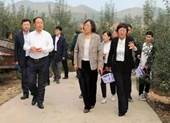
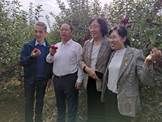
Figure
4 Investigation by
Professor LIU Chuang and the then Municipal Leader YU Jiqun in Beiguokui
Village
The Panshi Qiantang
Fish summer angling and winter fishing case built on Panshi’s abundant
pond-and-reservoir resources and focuses on ecological aquaculture and the
preservation of fishing culture. Its major products include high-quality
bighead carp, common carp, crucian carp, and bluntsnout bream[6].
Panshi has 2,410 reservoirs and ponds larger than 248 m2, and the
water quality meets China’s Class I surface-water standard. Building on the
fishing culture of the Songhua River Basin, the case has developed distinctive
activities such as recreational summer angling and winter fishing festivals.
Since its official unveiling in July 2022, it has continued to host annual
winter-fishing cultural events and has participated in the GIES New Year Fair
every year (Figure 5).
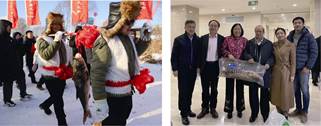
Figure 5 Winter fishing cultural festival and
the GIES New Year Fair
The Panshi Large
Corylus Futai low-mountain and hilly case is located in areas of Futai Town
where cropland has been converted back to forest, with a total area of 230 ha.
The area falls within a humid temperate monsoon climate zone and is dominated
by weakly acidic gray-brown soil, albic soil, and alluvial soil. These soils
are loose, fertile, and well aerated while retaining moisture effectively, thus
providing excellent ecological conditions for large corylus growth and quality
development. The case was officially unveiled in October 2022[12,13]
(Figure 6). Using an integrated model of “ecological cultivation+ three-dimensional
management+rural income enhancement”, it has developed into a complete
industrial chain and has become a model for integrating ecological restoration
under the returning-farmland-to-forest program with specialty-industry
development in low-mountain and hilly areas.
|
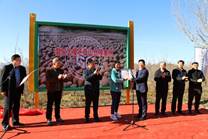
Figure 6 Unveiling ceremony for the Panshi
Large Corylus case (October 2022)
|
|
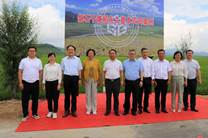
Figure 7 Unveiling ceremony for the Panshi
Qiantang Rice case (July 2022)
|
The Panshi Qiantang
Rice permanent basic farmland case has built on the experience of the Lanjia
Village Rice case and further leveraged Panshi’s “thousand-pond” water-resource
advantage to develop the regional public brand of “Panshi Qiantang Rice”. This
case expanded the development system from a local pilot centered on Lanjia
Village to citywide promotion, thereby establishing a new pattern of
large-scale, standardized, and brand-oriented development[14,15].
The case was unveiled in July 2022 (Figure 7). By adopting a model of “Qiantang
Association + cooperatives + farmers”, the case has integrated industrial
resources and promoted the upgrading of the rice industry from single-stage
cultivation to value addition across the entire value chain, thereby enhancing
regional agricultural quality and efficiency and supporting rural
revitalization.
4 Benefits and Impacts of the Panshi GIES Cases
4.1 Social Benefits: Ensuring Stable Household
Incomes, Improving Livelihoods, and Fostering Harmonious Rural Communities
By
building diversified benefit-sharing mechanisms, the Panshi GIES cases have
effectively protected villagers’ interests, supported the implementation of the
rural revitalization strategy, and generated substantial social benefits (Table 1)[16,17].
Table 1 Statistics of beneficiary benefits of
Panshi City GIES cases
|
Item
|
2020
|
2022
|
2025
|
|
Direct
employees in case management and marketing (person)
|
0
|
1,000 (+)
|
5,000 (+)
|
|
Returnee
entrepreneurs (person)
|
1,346
|
6,888
|
10,477
|
|
Farmer
households benefiting from cases (household)
|
0
|
5,000 (+)
|
13,500 (+)
|
|
Per capita
income increase for farmers driven by cases (CNY /person)
|
0
|
2,000 (+)
|
5,000 (+)
|
|
Rural
sanitary toilet renovation (household)
|
0
|
1,081
|
7,000 (+)
|
|
Cultural and
tourism visitors (10,000 persons)
|
24
|
70
|
220
|
|
Comprehensive
income from culture and tourism (100 million CNY)
|
0.64
|
2.60
|
20.00
|
|
Output value
of case products (100 million CNY)
|
2.30
|
4.80
|
15.00
|
|
Comprehensive
income of case products + culture and tourism (100 million CNY)
|
2.94
|
7.40
|
35.00
|
|
GDP of
Panshi City (100 million CNY)
|
132.90
|
136.70
|
155.30
|
|
Proportion
of case product output value in city’s GDP (%)
|
1.73
|
3.51
|
9.66
|
|
Proportion
of (case products + culture & tourism) output value in city’s GDP (%)
|
2.21
|
5.41
|
22.54
|
(1) Broadening
employment channels and increasing household income
The GIES cases have
broadened employment channels and promoted local, nearby employment. From 2022
to 2025, the number of people directly employed in the core GIES cases
increased from 1,000 to 5,000, while the number of returnee entrepreneurs rose
from 6,888 to 10,477. Industrial development also contributed to stable growth
in both newly created urban jobs and transferred rural labor employment.
Regular technical training programs were organized, effectively improving the
employability and production skills of rural residents. Meanwhile, the scope of
beneficiaries expanded steadily. The number of beneficiary households increased
from 5,000 in 2022 to 13,500 in 2025. Through mechanisms such as “cooperatives
+ farmers + contract farming”, farmers obtained multiple sources of income,
including land-transfer rent, wage earnings, and product dividends. Over the
same period, average per capita income gains among participating farmers
increased from 2,000 to 5,000 CNY, while collective village income grew
substantially, allowing villagers to share more fully in the benefits of
industrial development.
(2) Improving
infrastructure and enhancing quality of life
|
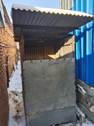 
Figure 8 Comparison before and after rural toilet renovation in Lanjia Village (2020,2023)
|
Taking advantage of
GIES-related development opportunities, core villages such as Lanjia Village
advanced rural construction projects, including road surfacing, sewage
treatment, landscaping, and village beautification. New rural roads and
cultural facilities were constructed, and a citywide campaign for rural
household toilet upgrading was implemented. Between 2020 and 2025, more than
7,000 households completed toilet retrofits, significantly improving local
living and production conditions (Figure 8).
(3) Integrating
industrial development with the inheritance of regional culture
Building on GIES
industries as a platform, Panshi deeply explored region-specific cultures such
as winter fishing and traditional farming, and organized related festive
activities in conjunction with industrial development. Relevant themed events
have been held twice annually, helping transform villagers from passive
onlookers into active co-builders. At the same time, industry-led cultural and
tourism integration has accelerated. Annual visitor numbers in the region
increased from 240,000 in 2020 to 2.2 million in 2025, while comprehensive
cultural-tourism revenue rose from 64 million to 2 billion CNY. Overall, these
changes created a favorable development pattern characterized by industrial
prosperity, rising farmer incomes, and improved village conditions. The
combined output value of GIES products and tourism accounted for 2.21% of the
city’s total GDP in 2020, rising to 5.41% in 2022 and reaching 22.54% in 2025.
(4) Establishing a
long-term chief-expert responsibility system and expanding public science
outreach to villagers
To support the
creation of sustainable-development cases for high-quality geographical
products in Panshi, IGSNRR, CAS implemented a long-term chief-expert
responsibility system. Under this mechanism, Professor LIU Chuang, Professor
CHEN Shengbo, Professor SONG Xianfang, Professor FU Jingying, and Dr. ZHOU Yu
were each assigned to lead one GIES case, thereby forming a research
implementation mechanism characterized by “one expert for one case,
full-process responsibility, and long-term follow-up”. This arrangement
overcame the fragmentation associated with short-term research collaboration
and provided organizational guarantees and technical support for both brand
creation and sustainable industrial development of high-quality geographical
products. It also offers a useful reference for scientific organization and
institutional innovation in comparable regions.
At the same time,
led by Professor LIU Chuang, 2 science communication events under the Capacity
Building Workshop on Big Data Applications in 100 Universities/Towns program
were organized in Panshi, effectively bridging the “last mile” linking
scientific research, science communication, and rural implementation. On 14
January 2022, the 37th session, themed “Practicing the Two Mountains Theory and
Advancing Technology-Enabled Development”, was held in Baoshan Township,
Panshi. As the first event of this program to be organized in a rural setting,
it delivered on-site science communication on geographical big data, habitat
conservation for high-quality geographical products, and digital agriculture to
more than 60 grassroots cadres and villagers. It also included policy
consultation and on-site discussion, while simultaneously reaching more than
300 villagers online through live streaming. On 31 January 2026, the 46th
session, themed “Advancing Ecological Development through Science and
Technology and Promoting Open Cooperation through GIES” was held in Panshi. It
focused on specialty geographical products such as Qiantang Fish and Qiantang
Rice through public lectures, standards interpretation, and discussions on
industrial development. Together, these two events brought geographical
big-data technologies, ecological protection concepts, and scientific
production standards directly to villagers, improving scientific literacy and
ecological awareness, strengthening standardized production capabilities, and fostering
brand-oriented development thinking. In doing so, they helped transform
scientific knowledge into a driver of industrial income growth and consolidated
the social and knowledge foundations for the sustainable development of
high-quality geographical products.
4.2 Ecological Benefits: Strengthening the
Regional Ecological Barrier and Enhancing Ecosystem Services
The
Panshi GIES cases have been guided by the principle of “ecological priority and
green development”, using habitat protection as the foundation for
specialty-industry development and enabling a virtuous cycle between ecological
conservation and industrial growth. These efforts have strengthened the
regional ecological security barrier and generated significant ecological
benefits[6,8,10,12,14]. At the soil-protection level, rice-based
cases such as Qiantang Rice and Lanjia Village Rice have promoted innovative
practices including “high rice stubble retention and incorporation” combined
with biological pest control. This has been complemented by the release of
Trichogramma wasps for biological insect management, reducing pollution risks
at the source. According to relevant statistics, by 2025 the area under
ecological rice cultivation had exceeded 4,000 ha, basically achieving full
coverage of ecological planting in the relevant production zones. In mountain
ecosystems, the large corylus case in Futai Town and the Chinese Cherry Apple
case in Baoshan Township have promoted under-forest three-dimensional planting
and ecological weeding technologies. By 2025, large corylus cultivation had
expanded to 700 ha and Chinese Cherry Apple to 1,200 ha, effectively increasing
vegetation cover in low-mountain and hilly areas and helping curb soil erosion.
With regard to water-resource protection, the Qiantang Fish case in Jichang
Town has strictly delineated protection zones for pond and reservoir water
sources and prohibited polluting enterprises. It has also promoted ecological
models such as “fish-grass symbiosis” and integrated rice-fish farming to
improve water quality through ecological aquaculture. By 2025, fish production
had reached 2,000 t, while ecological aquaculture practices also contributed to
the recovery of aquatic species such as otters, thereby reinforcing regional
biodiversity conservation. In addition, between 2022 and 2025, Panshi
established 11 institutional arrangements for product traceability and built a
three-dimensional monitoring network covering soils, water quality, and
meteorological conditions. This system enables near-real-time environmental
monitoring and precise management, while providing scientific support for
optimizing ecological production systems and issuing pollution warnings (Figure
9). Collectively, these measures enhanced ecosystem services such as carbon
sequestration, soil and water conservation, and biodiversity protection[18].
4.3 Economic Benefits: Activating the Value
of Ecological Resources and Promoting Regional Economic Transformation and
Upgrading
The Panshi GIES case cluster
has effectively transformed the city’s ecological endowment into economic
momentum, promoting regional agricultural upgrading and improving both
ecological-resource value and industrial performance. First, the output value
of
|
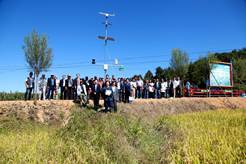
Figure 9 FAO representatives visited the GIES
ground station system of the Lanjia Village Rice case (September 2024)
|
geographical-indication
products increased steadily. Supported by technology-driven upgrading and brand
development, the output values of the core GIES categories, such as rice,
fruit, fish, and corylus, rose steadily from 2022 onward. By 2025, the output
value of rice had reached 500 million CNY, fruit 400 million CNY, fish 300
million CNY, and large corylus 300 million CNY. The economic gains of all major
categories improved significantly, while certified products such as Qiantang
Fish, Chinese Cherry Apple, and Large Corylus obtained clear brand premiums and
sold at higher prices after certification, further strengthening brand value[6,14].
Second, both industrial scale and the industrial chain expanded simultaneously.
The total output value of GIES-related industries increased markedly, from 480
million in 2022 to 1.5 billion CNY in 2025. At the same time, core categories
such as Qiantang Fish, Chinese Cherry Apple, and Large Corylus achieved
large-scale cultivation. Lanjia Village established a rice deep-processing
plant with a daily processing capacity of 30 t, with a fully automated
production line that mechanized the entire processing workflow (Figure 10).
This promoted upgrading across the entire agricultural industrial chain and
deeper integration of the primary, secondary, and tertiary sectors. Meanwhile,
online and offline marketing channels were fully developed, and total marketing
revenue increased from 150 million to 630 million CNY, with the market reach
continuing to broaden[19]. Third, the cases stimulated wider
regional economic growth. From 2020 to 2025, Panshi’s GDP increased from 13.29
billion to 15.53 billion CNY, while the structure of the three industrial
sectors continued to improve. The gross output value of agriculture, forestry,
animal husbandry, and fisheries, together with the output value of
agro-processing industries, maintained stable growth. Lanjia Village was
designated as a provincial-level demonstration village for the One Village One
Priority Product Initiative, and village collective income increased
substantially. More broadly, regional agriculture has begun to shift from
conventional farming toward a smart full-chain model, strengthening the
internal drivers of rural industrial development[20].
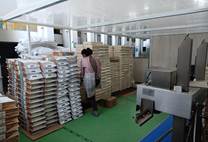
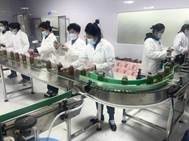
Figure 10 Production lines for Panshi rice and Chinese
Cherry Apple products
4.4 International Influence: Offering a China-Based
Solution for Sustainable Development
Built
around 5 flagship “Panshi Qiantang” geographical-indication products, i.e.,
Lanjia Village Rice, Chinese Cherry Apple, Qiantang Fish, Large Corylus, and
Qiantang Rice, the cluster of Panshi GIES has developed a diversified portfolio
of cases across mountain, water, forest, and farmland settings. These
systematic efforts not only demonstrate the achievements of China’s
eco-agriculture, but also provide a practical and transferable model for
comparable regions worldwide. Panshi has continuously promoted the exchange and
dissemination of GIES practices through exhibitions, seminars, and related
activities. Between 2020 and 2025, the city participated in 19 exhibitions and
organized 29 related seminars. Through platforms such as the International
Science and Technology Conference on Green Development, the CIFTIS, and the
GIES New Year Fair, it expanded the visibility of both its brands and its
development model. In 2024, the Food and Agriculture Organization of the United
Nations (FAO) held a parallel session in Panshi on the use of GIES-related
technologies to support the sustainable development of specialty agricultural
products (Figures 11,12). Participants spoke highly of Panshi’s practical
experience, particularly its effective coordination among government support,
scientific application, and farmer participation. The case was subsequently
included in the FAO Asia-Pacific OCOP knowledge-sharing platform as a “good
practice” for wider dissemination[21,22]. In 2025, the “Panshi
Qiantang” product series was exhibited at the first FAO Global Exhibition of
Specialty Agricultural Products in Rome, Italy, marking an important step
toward international visibility and market outreach. The case therefore offers
a practical example from China for advancing the FAO’s Four Betters goals and
the broader global agenda of agricultural sustainability and rural
transformation.
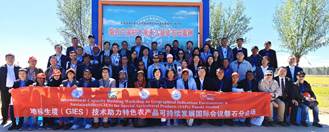
Figure 11 FAO officials visiting Lanjia Village,
Niuxin Town, Panshi, Jilin Province (September 2024)
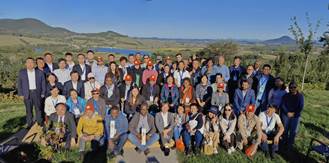
Figure 12 Group photograph after FAO officials
visited Beiguokui Village, Baoshan Township, Panshi, Jilin Province (September
2024)
5 Insights from the Panshi GIES Cases
(1)
Open science as the foundation of branding Panshi’s high-quality geographical
products. Science and technology are key to overcoming the disconnect between
ecological and economic advantages and constitute the core engine for
high-quality GIES development. Guided by new quality productive forces, Panshi
deepened collaboration between IGSNRR, CAS and local government to establish a
technical support system covering production, processing, and circulation. On
the production side, experts jointly formulated standardized protocols for 5
major product categories, established 11 experimental and demonstration bases
and 811 ha of organic production bases, and introduced smart technologies such
as IoT monitoring systems and UAV-based plant protection to enable
near-real-time monitoring and precise regulation of soil, water, and
meteorological conditions. On the standards side, the city developed the
“Panshi Qiantang” group standards and established a “one product, one code”
traceability system for full-process visual traceability. On the processing
side, deep-processing lines were built and more than 30 processed products were
developed, promoting industrial upgrading. The integration of science and
technology across the value chain has enabled a shift from primary products to
higher-value-added products. The key insight for comparable regions is to use
new quality productive forces as a guide for innovation-driven development,
deepen the integration of innovation and industrial chains, and make science-
and technology-enabled upgrading a central driver of ecological value
realization.
(2) Precisely
identifying the resource potential of “lucid waters and lush mountains” to
strengthen the basis for realizing the value of ecological products. The key to
converting ecological resources into development value lies in accurately
identifying local advantages and closely aligning distinctive ecological
conditions with product attributes, rather than pursuing broad-brush,
homogeneous development. Taking advantage of the distinctive mountain, water,
and black-soil resources of the Changbai transitional zone, Panshi
scientifically identified the core advantages of its products and substantiated
them with data, thereby overcoming the long-standing difficulty of clearly
articulating and demonstrating ecological advantages. In this way, Panshi
developed a system of 5 core geographical-indication products and turned “lucid
waters and lush mountains” into sources of value that can be quantified,
translated into market value, and command price premiums. This indicates that
only by accurately identifying region-specific ecological distinctiveness can
regions build a sound scientific basis for realizing the value of ecological
products and truly transform ecological resources into development advantages.
(3) Building an
enabling system for GIES development through government leadership, technology
support, and multi-actor collaboration to ensure effective ecological value
transformation. GIES development requires overcoming administrative
fragmentation and dispersed resources, making government coordination and
leadership essential. Panshi fully integrated GIES development into its broader
rural revitalization strategy, with the government playing a central role in
overall planning and institutional support. By integrating financial resources,
improving infrastructure, and creating platforms for cooperation, the city
promoted industrial associations and encouraged collective development among
market actors, thereby easing the bottlenecks created by fragmented smallholder
operations. The Panshi experience suggests that governments should play a
strong coordinating role, strengthen policy support, maintain an orderly
development environment, and foster efficient collaboration for GIES
development, thus building stronger collective momentum for industrial
development.
(4) Strengthening
market-oriented mechanisms to sustain the vitality of GIES development. Market
access is essential to realizing the value of ecological products, while
branding and diversified business models are key to enhancing competitiveness.
Panshi established a three-tier brand matrix composed of a regional public
brand, enterprise brands, and product brands, balancing product differentiation
with cluster-level brand synergies. Through innovative marketing approaches
such as the GIES New Year Fair and the Scientist Cloud Tree-Adoption
Initiative, the city translated scientific credibility into consumer trust. At
the same time, Panshi drew on and integrated distinctive regional resources,
including fishing and hunting traditions, farming culture, and mountain
heritage, and closely tied these cultural elements to its
geographical-indication products. By developing cultural-tourism events such as
the “Qiantang Fish Summer Angling and Winter Fishing Cultural Festival” and the
“Chinese Cherry Apple Picking Season”, Panshi turned ecological production
processes into participatory tourism experiences, thereby integrating
geographical products more closely with cultural experience. In this way, it
helped shift the industry from merely “selling products” to also “selling
experiences” and “selling culture”. The main lesson is that development should
be guided by market demand and should integrate brand building with cultural
tourism, e-commerce, and other business channels, thereby overcoming geographic
limitations, securing price premiums for quality products, and sustaining
industrial vitality.
(5) Improving
benefit-sharing mechanisms to ensure that rural households share development
gains. The core of rural revitalization lies in ensuring that development
outcomes benefit rural households, and GIES development must therefore
coordinate ecological, economic, and social benefits. Panshi established an
integrated sustainable development mechanism involving government guidance,
scientific support, leading enterprises, farmer participation, and brand-driven
value enhancement. The government played a strong coordinating role by
integrating GIES development into the broader rural revitalization strategy,
mobilizing funds, improving infrastructure, and promoting industrial
associations to encourage more coordinated development among producers and
enterprises. At the same time, mechanisms such as “Qiantang Association +
cooperatives + farmers” created close benefit-sharing arrangements, enabling
farmers to share in industrial gains through multiple channels, including land
transfers, wage income, and shareholding dividends. This effectively
strengthened farmer participation and motivation. The key insight is that only
when rural households become both participants in and beneficiaries of
ecological value realization can GIES development build a strong social
foundation. Only then can ecological protection, industrial upgrading, and
farmer prosperity reinforce one another in a sustainable way. In this way, the
social foundation for rural revitalization can be further strengthened.
6 Conclusion
This
paper synthesizes the development achievements, core measures, and transferable
insights of the Panshi GIES cases. Building on its distinctive regional
ecological endowment and using GIES as a practical framework, Panshi has,
through close collaboration between research institutes and local government,
mobilized new quality productive forces and explored a path of sustainable
agricultural development that coordinates ecological protection with economic
growth, thereby developing the demonstrative “Panshi model”. This model rests
on the precise identification of regional ecological potential, full-chain
technology-enabled upgrading, government institutional support, a three-tier
brand matrix, and diversified benefit-sharing mechanisms that allow farmers to
share development gains. In this way, it has effectively translated ecological
assets into local development gains under the principle that “lucid waters and
lush mountains are invaluable assets”[23]. The Panshi experience has
not only substantially increased industrial output and farmer income, but has
also been recognized and promoted by FAO as a “good practice”. Looking ahead,
further efforts are needed to strengthen the technical system, expand market
reach and brand influence, and improve benefit-sharing mechanisms. These
efforts will help the GIES model move toward higher-quality and more
sustainable development while providing stronger support for comprehensive
rural revitalization.
References
[1]
Li, Z.,
Liu, Z. Y., Dang, L. J., et al. Practicing the “Two Mountains” Theory
and Building a Beautiful and Healthy China: A Study on the Realization of the
Value of Ecological Products [M]. Beijing: China Market Press, 2021: 25−43.
[2]
Liao,
M. L., Pan, J. H., Sun, B. W. Connotation discrimination and value realization
path of ecological products [J]. Reform of Economic System, 2021(1):
12−18.
[3]
Zhang,
B. T., Feng, Q., Li, Z. S., et al. Research progress and typical case
analysis of ecological product value realization in China [J]. Advances in
Earth Sciences, 2024, 39(3): 304–316.
[4]
Institute
of Geographic Sciences and Natural Resources Research, CAS. International
Workshop on GIES for Special Agricultural Products Panshi Session successfully
held [EB/OL]. (2024-09-30) [2025-12-26].
https://igsnrr.cas.cn/news/zhxw/202409/t20240930_7392012.html.
[5]
Panshi
Release. “Panshi Qiantang” appears at the 5th GIES New Year Fair to explore new
paths for high-quality development of geographical indication industries
[EB/OL]. (2026-01-01) [2025-12-26].
[6]
Liu, C.,
Guo, X. Y., Liu, Y. H., et al. GIES case dataset on summer angling and
winter fishing in Panshi Qiantang (Thousands Reservoirs), Jilin Province of
China [J]. Journal of Global Change Data & Discovery, 2021,
5(4): 385−398. https://doi.org/10.3974/geodp.2021.04.03.
[7]
Liu, C.,
Guo, X. Y., Liu, Y. H., et al. Panshi Qiantang (Thousands Reservoirs)
fishing life case dataset of ecosystem protection and sustainable development
[J/DB/OL]. Digital Journal of Global Change Data Repository, 2021.
https://doi.org/10.3974/geodb.2021.12.42.V1.
[8]
Fu, J.
Y., Du, X. L., Zheng, Q. S., et al. GIES case dataset on rice permanent
farmland in Lanjia Village, Jilin Province of China [J]. Journal of Global
Change Data & Discovery, 2021, 5(3): 275–289.
https://doi.org/10.3974/geodp.2021.03.06.
[9]
Fu, J.
Y., Du, X. L., Zheng, Q. S., et al. Panshi rice Lanjia Village case
dataset on permanent basic farmland protection and sustainable development
[J/DB/OL]. Digital Journal of Global Change Data Repository, 2021.
https://doi.org/10.3974/geodb.2021.06.01.V1.
[10]
Chen,
S. B., Ye, Y. H., Fu, J. Y., et al. GIES case study on Chinese cherry
apple in low mountains and hills Baoshan Township, Panshi City, Jilin Province
of China [J] Journal of Global Change Data & Discovery, 2021,
5(4): 373–384. https://doi.org/10.3974/geodp.2021.04.02.
[11]
Chen,
S. B., Ye, Y. H., Fu, J. Y., et al. Panshi Chinese cherry apple Baoshan
low mountains and hills case dataset on ecosystem protection and sustainable
development [J/DB/OL]. Digital Journal of Global Change Data Repository,
2021. https://doi.org/10.3974/geodb.2021.12.41.V1.
[12]
Dai, J.
H., Yang, J., Zhou, Y., et al. GIES case dataset on Panshi large corylus
low mountain and hills in Futai Town, Jinlin Province of China [J]. Journal
of Global Change Data & Discovery, 2021, 5(4): 431–443.
https://doi.org/10.3974/geodp.2021.04.07.
[13]
Dai, J.
H., Yang, J., Zhou, Y., et al. The Panshi large corylus Futai low
mountain and hills case dataset of ecosystem protection and sustainable
development [J/DB/OL]. Digital Journal of Global Change Data Repository,
2021. https://doi.org/10.3974/geodb.2021.12.46.V1.
[14]
Song,
X. F., Yu, J. Q., Qi, W., et al. GIES case dataset on Panshi Qiantang
(Thousands Reservoirs) rice in permanent farmland, Jilin Province of China [J].
Journal of Global Change Data & Discovery, 2022, 6(2):
157–168. https://doi.org/10.3974/geodp.2022.02.01.
[15]
Song,
X. F., Yu, J. Q., Qi, W., et al.
Panshi Qiantang (Thousands Reservoirs) rice case dataset on permanent
farmland of ecosystem protection and sustainable development [J/DB/OL]. Digital
Journal of Global Change Data Repository, 2022.
https://doi.org/10.3974/geodb.2022.05.05.V1.
[16]
Jilin
Provincial Rural Revitalization Bureau. Panshi: strengthening industry, strict
management and promoting revitalization [EB/OL]. (2025-03-28) [2025-12-26].
https://mp.weixin.qq.com/s/Na9ypRAXH7GGsorPu9RoVA.
[17]
Panshi
Release. Farming paints a rich harvest picture: a review of the development of
agriculture, rural areas and farmers in Panshi [EB/OL]. (2024-09-04)
[2025-12-26]. http://www.panshi.gov.cn/wszl/xczx_ps/202409/t20240905_1225500.html.
[18]
Ye, J.
M. Vivid cases show the vigorous vitality of the “One Country One Priority
Product” Project [N/OL]. China Food News, (2024-09-26) [2025-12-26].
https://mp.weixin.qq.com/s/4SRQ7hpNOD1VzQqQP6vnTg.
[19]
Panshi
Release. “Rural Revitalization”—the first online communication conference of
the 2022 Harvest Season Case 100-Day Exhibition on GIES (Panshi Station)
successfully held [EB/OL]. (2022-07-31) [2025-12-26].
https://mp.weixin.qq.com/s/XHA-ZAo9dFxw4pgoop8GQA.
[20]
People’s
Government of Panshi City. Lanjia Village of Niuxin Town: rice processing
without leaving the village, paving a new road for income increase [EB/OL].
(2024-01-19) [2025-12-26]. http://wza.panshi.gov. cn/esd/xzdt/202401/t20240119_1186911.html.
[21]
Liu, C.,
Li, X. Achievements of the project on GIES selected as a “Good Practice” case
in the FAO Asia-Pacific “One Country One Priority Product” Knowledge Sharing
Platform [EB/OL]. (2022-10-27) [2025-12-26].
https://mp.weixin.qq.com/s/ySLNgkLu5eO6zXrsn-TK-A.
[22]
Panshi
Release. Giving play to the advantage of geographical diversity and empowering Panshi’s
green development with science and technology [EB/OL]. (2023-09-23)
[2025-12-26]. https://mp.weixin.qq. com/s/sl7o3kY3qJB-b7giRA5imA.
[23] Liu, C., Gong, K., Liu, Y. H., et al. An innovative solution
on geographical indications for environment & sustainability (GIES) [J]. Journal
of Global Change Data & Discovery, 2021, 5(3): 237–248.
https://doi.org/10.3974/geodp.2021.03.03.