ZHANG Quanjun1 DUAN Houlang2,3 WU Dongli1 XIA Shaoxia2,3* YU Xiubo2,3*
1. Meteorological Observation
Centre, China Meteorological Administration, Beijing 100081, China;
2. Key Laboratory of Ecosystem Network Observation and
Modeling, Institute of Geographic Sciences and Natural Resources Research,
Chinese Academy of Sciences, Beijing 100101, China;
3. University of Chinese
Academy of Sciences, Beijing 100049, China
Abstract: Based
on an in situ decomposition experiment conducted from 2017 to 2018 in Baisha
Lake, within the Nanjishan National Nature Reserve, Poyang Lake, this study
constructed a high-temporal-resolution dataset tracking dry matter, lignin,
cellulose, total carbon, total nitrogen, total phosphorus, and stable isotopes
(δ13C and δ15N) during the decomposition of litter from 3
dominant wetland plants: Phragmites australis, Triarrhena
lutarioriparia, and Carex cinerascens. The dataset covers a
decomposition time series spanning 15, 30, 60, 90, 120, and 150 days,
systematically recording the dynamic changes of each variable. Results showed
significant species-specific differences in decomposition rates and nutrient
release patterns among the three litter types. The instantaneous loss
coefficients of dry matter, lignin, and cellulose all showed a pattern of first
increasing then decreasing, peaking at day 15, with Phragmites australis
consistently exhibiting the highest decomposition rate and Triarrhena
lutarioriparia the lowest. The relative return indices of carbon, nitrogen,
and phosphorus all followed the order: Phragmites australis > Carex
cinerascens > Triarrhena lutarioriparia. δ13C showed
an overall decreasing trend, while δ15N fluctuated significantly
during the early decomposition stage. This dataset provides critical data
support for understanding the driving mechanisms of wetland litter
decomposition, quantifying carbon, nitrogen, and phosphorus cycling processes,
and for model development, and is of great significance for evaluating wetland
carbon sink functions and ecological management. The
dataset is archived in .shp and .xlsx formats, and consists of 9 data files
with data size of 73.8 KB (Compressed into one single file with 64.2 KB).
Keywords: dry matter; lignin; cellulose;
carbon and nitrogen isotopes; phosphorus
DOI: https://doi.org/10.3974/geodp.2026.04.12.
Dataset Availability Statement:
The dataset supporting this paper was published and
is accessible through the Digital Journal of Global Change Data Repository
at: https://doi.org/10.3974/geodb.2025.10.06.V1.
1 Introduction
Litter
decomposition of wetland plants is a key process driving the biogeochemical
cycles of essential elements such as carbon and nitrogen. Its dynamics directly
affect the carbon sink function of wetlands and the global carbon budget
balance[1]. Due to alternating flooding-drying conditions and anoxic
environments that significantly inhibit decomposition rates, wetland systems
accumulate large amounts of organic matter, thereby becoming important inert
carbon pools. Litter decomposition rates are highly sensitive to environmental
changes, and even minor fluctuations can significantly affect carbon fluxes at
various scales[2–4]. The decomposition process is primarily
regulated by substrate quality; lignin, cellulose, and nitrogen, and phosphorus
contents along with their stoichiometric ratios (C/N, N/P, Lignin/N), as well
as different carbon fractions, significantly affect decomposition rates and
pathways[5,6]. Currently, developing a unified predictive indicator
applicable to different species and decomposition stages remains a challenge.
This study developed a dataset on the chemical composition and δ13C,
δ15N contents during the decomposition of litter from 3 dominant
plants (Phragmites australis, Triarrhena lutarioriparia, and Carex
cinerascens) in Poyang Lake wetland, aiming to provide key data support for
quantifying wetland carbon cycling processes and response mechanisms, and to
offer a structured and reusable data foundation for constructing multi-factor
driven models and identifying stage-specific indicators.
The fractionation
effects of stable isotopes δ13C and δ15N play a tracing
role in elucidating organic matter transformation pathways and microbial
metabolic processes[7,8]. Fractionation intensity is jointly
affected by substrate chemical properties, exogenous nitrogen input, and microbial
community activities[9,10], but the quantitative relationships among
these factors remain understudied. The high-temporal-resolution isotope
variation data provided in this study can be used to identify the main
controlling factors of fractionation, evaluate the effects of environmental
disturbances, and provide a basis for validating model parameterization.
Poyang Lake, as a
typical seasonal flood-pulse wetland, experiences dramatic water level
fluctuations that create large-area beach habitats, supporting a high-biomass
vegetation community dominated by Phragmites australis, Triarrhena
lutarioriparia, and Carex cinerascens[11–14]. The litter
decomposition process in this area directly regulates nutrient cycling and
carbon sequestration potential. However, systematic in situ observational data
are still relatively scarce, which constrains in-depth research on the relevant
mechanisms. Based on long-term dynamic data obtained from in situ decomposition
experiments, this study aims to quantify: (1) dynamic differences in
decomposition rates and chemical composition of litter from three dominant
species; (2) species-specific patterns of carbon, nitrogen, and phosphorus
release; and (3) fractionation patterns of stable isotopes during
decomposition. The dataset can serve regional carbon-nitrogen cycling
simulations, eco-hydrological effect assessments, and wetland management
strategy optimization, and has significant scientific research and application
value.
2 Metadata of the Dataset
The
metadata of the Litter decomposition and C-N of three dominant plants dataset
in Poyang Lake Wetland[15] is summarized in Table 1. It includes the
dataset full name, short name, authors, year of the dataset, data format, data
size, data files, data publisher, etc.
3 Methods
3.1 Data Collection Area
The data collection area was
defined as Baisha Lake, a representative dish-shaped sub-lake
Table 1 Metadata summary of the Litter
decomposition and C-N of three dominant plants dataset in Poyang Lake Wetland
|
Item
|
Description
|
|
Dataset full name
|
Litter decomposition and C-N of three dominant plants dataset in
Poyang Lake Wetland
|
|
Dataset short name
|
LitterDEC_PLW
|
|
Authors
|
Zhang, Q. J.,
Meteorological Observation Centre, China Meteorological Administration,
zhangqj@cma.gov.cn
Duan, H. L.,
Institute of Geographic Sciences and Natural Resources Research, Chinese
Academy of Sciences, duanhl@igsnrr.ac.cn
Wu, D. L.,
Meteorological Observation Centre, China Meteorological Administration,
wudongli666@126.com
Xia, S. X.,
Institute of Geographic Sciences and Natural Resources Research, Chinese
Academy of Sciences, xiasx@igsnrr.ac.cn
Yu,
X. B., Institute of Geographic Sciences and Natural Resources Research,
Chinese Academy of Sciences, yuxb@igsnrr.ac.cn
|
|
Geographical region
|
Poyang Lake
|
|
Year
|
2017–2018
|
|
Data format
|
.xlsx, .shp
|
|
Data size
|
73.8 KB
|
|
Data files
|
Plot geographic location,
dry matter decomposition rate, lignin decomposition data, cellulose
decomposition data, relative return index of total carbon, relative return
index of total nitrogen, relative return index of total phosphorus, δ13C
content, δ15N content
|
|
Data publisher
|
Global Change
Research Data Publishing & Repository, http://www.geodoi.ac.cn
|
|
Address
|
No. 11A, Datun
Road, Chaoyang District, Beijing 100101, China
|
|
Data sharing policy
|
(1) Data
are openly available and can be free downloaded via the Internet; (2) End
users are encouraged to use Data
subject to citation; (3) Users, who are by definition also value-added
service providers, are welcome to redistribute Data subject to written permission from the GCdataPR Editorial
Office and the issuance of a Data
redistribution license; and (4) If Data
are used to compile new datasets, the “ten percent principle” should be
followed such that Data records
utilized should not surpass 10% of the new dataset contents, while sources
should be clearly noted in suitable places in the new dataset[16]
|
|
Communication and searchable system
|
DOI, CSTR,
Crossref, DCI, CSCD, CNKI, SciEngine, WDS, GEOSS, PubScholar, CKRSC, OARL
|
located
within the Nanjishan National Nature Reserve of Poyang Lake (Figure 1). The
reserve is situated at the southern delta front of Poyang Lake, where the main
branches of the Ganjiang River enter the lake. The region experiences a
subtropical humid monsoon climate with abundant annual precipitation and
significant seasonal variations, characterized by hot, rainy summers and mild,
dry winters. The water level is jointly influenced by the inflow of 5 rivers
(Ganjiang, Xiushui, Xinjiang, Raohe, Fuhe) and the backwater effect of the
Yangtze River, resulting in a highly regular hydrological rhythm: from April to
September each year, the wet season causes lake water levels to rise,
inundating most beaches; from October to March of the following year, the dry
season sees lake water receding, exposing extensive grassy flats, mudflats, and
marsh wetlands. These periodic hydrological dynamic shapes the unique and
typical structure of the wetland ecosystem in the region[11–14].
Baisha Lake was
selected as the experimental site primarily due to its highly representative
dish-shaped lake morphology and the complete alternation of aquatic- terrestrial
processes. This type of lake and its surrounding beach wetlands are key sites
for material cycling and energy flow within the reserve. Especially during the
water recession period, exposed areas with fertile soil and favorable
hydrothermal conditions are highly suitable for the development of hygrophilous
and aquatic plant communities. Among them, Carex cinerascens, Triarrhena
lutarioriparia, and Phragmites australis are the three most
representative dominant plants in the reserve, widely distributed along the
beach gradient from lakeshore to lake center, with clear community structures
and large biomass, constituting the main vegetation and primary carbon-nitrogen
carriers of the Poyang Lake wetland. Carex cinerascens exhibits a unique
phenology with alternating autumn and spring growth, while Triarrhena
lutarioriparia and Phragmites australis show pronounced seasonal
biomass accumulation and litter input. Together, these three species dominate
litter production and decomposition processes in the region[4,6].
Given the well-preserved native vegetation, minimal human disturbance, and
concentrated distribution of dominant species in the beach wetlands of Baisha
Lake, the area provides an ideal site for wetland plant litter decomposition
experiments.
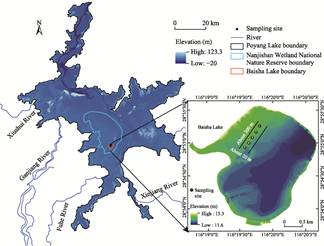
Figure 1 Location map of sampling
sites in Poyang Lake Wetland
3.2 Field Experimental
Design
3.2.1 Plot Establishment
The
in situ decomposition experiment was initiated on November 15, 2017, coinciding
with the onset of the dry season in Poyang Lake Wetland. The experimental site
was selected in a typical grassy beach in Baisha Lake, located approximately
500 m away from the lake center. A rectangular area (approximately 300 m long ×
20 m wide) was delineated within this area, and 5 permanent plots (each about 4
m2) were evenly arranged as replicates for the decomposition
experiment, with plot spacing of about 50 m. This area remains exposed during
the dry season and experiences a short inundation period during the wet season.
The vegetation is dominated by the three dominant species (Phragmites
australis, Triarrhena lutarioriparia, and Carex cinerascens),
with healthy growth conditions and uniform distribution, providing ideal
conditions for decomposition experiments.
3.2.2 Sample Preparation
Senescent
leaves of Phragmites australis, Triarrhena lutarioriparia, and Carex
cinerascens were collected near the sampling plots, washed with deionized
water, cut into 10 cm segments, and mixed to eliminate size effects. Samples
were oven-killed at 120 ℃ for 1 h, then dried at 60 ℃ to constant
weight. Samples were placed into litter bags according to 3 treatments: Phragmites
australis (5 g), Triarrhena lutarioriparia (5 g), and Carex
cinerascens (5 g). The litter bags were 100-mesh (0.15 mm pore size), 15 cm
× 20 cm white nylon mesh bags, which prevent sample loss while allowing
microbial activity.
3.2.3 Field Deployment and Sampling
The
prepared litter bags were fixed at the preset sampling points. PVC tubes were
used to secure the bags close to the ground surface, avoiding mutual
compression and disturbance of the native litter layer. Litter bags were
randomly placed in the 5 plots, ensuring that for each sampling time point and
each species, the specified number of replicates was assigned. Samples were
retrieved on days 15, 30, 60, 90, 120, and 150 after deployment. At each
retrieval, 3 replicates of Phragmites australis, 3 replicates of Triarrhena
lutarioriparia, and 5 replicates of Carex cinerascens were
collected. The final sampling (day 150) was completed on April 15, 2018, after
which the site was flooded and the experiment was terminated.
3.3 Laboratory Analysis
After
each retrieval, litter bags were first cleaned of attached sediment, algae, and
other foreign matter. The samples were then transferred to kraft paper
envelopes and dried in a 60 ℃ constant-temperature oven until constant
weight was achieved. After drying, samples were accurately weighed for dry
mass, ground into fine powder, and stored in labeled polyethylene sample bags
sealed for subsequent analysis. Each replicate sample powder was analyzed
individually for all chemical and isotopic indicators, and the mean and
standard deviation were subsequently calculated.
The determination
methods and instruments for various chemical indicators in this study were as
follows: cellulose and lignin contents were determined by the acid-detergent
fiber method[17,18]; total carbon and total nitrogen contents were
determined using a Vario Max CN elemental analyzer (Elementar, Germany); total
phosphorus content was determined using an Optima 5300DV inductively coupled
plasma optical emission spectrometer (Perkin-Elmer, America)[6];
stable isotopes δ13C and δ15N were determined using a
Thermo elemental analyzer coupled with a Delta Plus Finnigan MAT 253 mass
spectrometer[6], with the calculation Equations as follows:
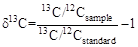 (1)
(1)
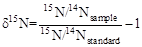 (2)
(2)
Pee Dee Belemnite
(PDB) was used as the reference standard for carbon stable isotopes, and
atmospheric nitrogen was used as the reference standard for nitrogen stable
isotopes[6]. During instrumental analysis, the standard errors for
replicate samples were: δ13C ≤ 0.1‰, δ15N ≤ 0.4‰.
3.4 Decomposition Models
and Parameter Estimation
The
remaining rate (Rt, %) was calculated as follows[6]:
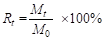 (3)
(3)
where,
Rt is the remaining rate at time t (%), Mt
and M0 are the dry mass (g) of litter at time t and
initial time, respectively, and t represents decomposition time (d).
The instantaneous
loss coefficient (k) was estimated using the Olson negative exponential
decay model[18]:
 (4)
(4)
where,
k represents the instantaneous loss coefficient at time t, with
larger values indicating faster decomposition. Mt and M0
are the dry mass (g) of litter at time t and initial time, and t
is the decomposition time (d).
The relative
return index (RRI) was calculated as follows:
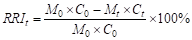 (5)
(5)
where
Ct and C0 are the concentrations (%) of an
element at initial time and time t, respectively. In this study, CRRI,
NRRI, and PRRI represent the relative return indices of total
carbon, total nitrogen, and total phosphorus, respectively.
4 Data Results
4.1 Dataset Composition
The
data include plot geographic location and litter decomposition-related data, archived
in .shp and .xlsx formats, respectively. The Excel file of litter
decomposition-related data contains 8 sheets, namely dynamic monitoring data of
dry matter, lignin, cellulose, total carbon, total nitrogen, total phosphorus,
δ13C, and δ15N at decomposition days 15, 30, 60, 90, 120,
and 150, including measured values, means, and standard deviations. Detailed
data for each indicator are shown in Table 2.
Table 2 Measured
indicators and their statistics
|
Indicator
|
Calculated
statistics (units)
|
|
Dry matter
|
Initial
mass (g)
|
Residual
mass (g)
|
k
|
Rt (%)
|
|
Lignin
|
Percentage of residual dry matter (%)
|
Residual
mass (g)
|
k
|
Rt (%)
|
|
Cellulose
|
Percentage of residual dry matter (%)
|
Residual
mass (g)
|
k
|
Rt (%)
|
|
Total
carbon
|
Percentage of residual dry matter (%)
|
Residual
mass (g)
|
RRI (%)
|
|
|
Total
nitrogen
|
Percentage of residual dry matter (%)
|
Residual
mass (g)
|
RRI (%)
|
|
|
Total
phosphorus
|
Proportion of residual dry matter (mg/kg)
|
Residual
mass (g)
|
RRI (%)
|
|
|
δ15N
|
Permille of
residual dry matter (‰)
|
|
δ13C
|
Permille of
residual dry matter (‰)
|
4.2 Data Results Analysis
The
results showed that the instantaneous loss coefficients of dry matter, lignin,
and cellulose for the three plant species (Phragmites australis, Carex
cinerascens, and Triarrhena lutarioriparia) all exhibited a pattern
of rapid initial increase, followed by a decrease and eventual stabilization.
All three reached their maximum values at day 15 of decomposition and remained
relatively stable after day 90. At each measurement time point, the instantaneous
loss coefficients of dry matter, lignin, and cellulose were highest for Phragmites
australis, followed by Carex cinerascens, and lowest for Triarrhena
lutarioriparia (Figures 2a, 2b, 2c).
Regarding the
relative return indices of carbon, nitrogen, and phosphorus, a consistent
pattern was observed at all sampling time points: highest for Phragmites
australis, followed by Carex cinerascens, and smallest for Triarrhena
lutarioriparia (Figures 2d, 2e, 2f). During decomposition, the carbon
relative return index of all three litters remained positive and increased
continuously. The nitrogen relative return index varied by species: Phragmites
australis remained positive and increased continuously; Triarrhena
lutarioriparia was consistently negative, showing a pattern of initial
decrease followed by increase. The phosphorus relative return index was
positive for all species, showing an overall pattern of rapid initial increase
followed by stabilization, reaching a steady state approximately 30 days after
decomposition initiation.
Although the δ13C
values of the three litters fluctuated throughout the decomposition period,
their rank order remained constant: lowest for Phragmites australis,
intermediate for Carex cinerascens, and highest for Triarrhena
lutarioriparia (Figure 3a). In terms of trends, δ13C of Phragmites
australis decreased significantly overall, with only occasional high values
at days 30 and 90; δ13C of Triarrhena lutarioriparia
decreased significantly after 15 d of decomposition. In contrast, although δ13C
of Carex cinerascens showed high values at days 90 and 150, it also
exhibited a significant decreasing trend during the remaining periods.
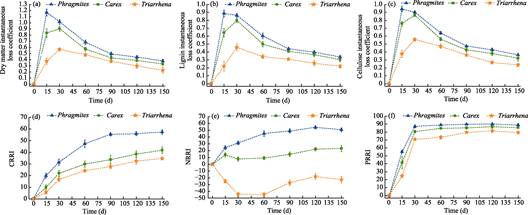
Figure
2 Temporal
variation characteristics of litter components during decomposition
For the nitrogen
isotope δ15N, all three litters showed the most pronounced changes
during the early decomposition stage (first 15 d), followed by fluctuating
states (Figure 3b). Regarding δ15N dynamics, all three litters
exhibited the most significant changes in the early stage (0–15 d), followed by
fluctuating trends. Throughout the decomposition process, the δ15N
values at each time point consistently followed the order: Phragmites
australis > Carex cinerascens > Triarrhena lutarioriparia.
Overall, δ15N of all litters showed a slight increase during
decomposition; by day 90, δ15N of Carex cinerascens and Triarrhena
lutarioriparia was significantly higher than initial values, and the
fluctuation amplitude of δ15N in Triarrhena lutarioriparia
was the most moderate among the three species throughout decomposition.
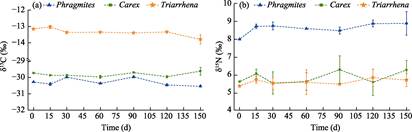
Figure
3 Temporal
variation characteristics of δ13C and δ15N contents
during litter decomposition
5 Discussion and Conclusion
This
study employed a 150-d in situ decomposition experiment to systematically track
the litter decomposition process of 3 dominant Poyang Lake plants (Phragmites
australis, Triarrhena lutarioriparia, and Carex cinerascens).
Multiple indicators including dry matter, lignin, cellulose, total carbon,
total nitrogen, total phosphorus, and stable isotopes δ13C and δ15N
were monitored, resulting in a high-temporal-resolution dataset. The results
showed significant species-specific differences in decomposition rates,
nutrient release, and isotope fractionation behaviors, reflecting
species-specific chemical properties and complex biogeochemical processes.
In terms of
decomposition rates, dry matter, lignin, and cellulose of the three plant
litters all showed a trend of initial increase, then decrease, and eventual
stabilization, peaking at day 15 and stabilizing after day 90. The rapid
initial decomposition was primarily attributed to the loss of labile components
and rapid microbial colonization, while the later slowdown was due to the
increased proportion of recalcitrant compounds. Phragmites australis
consistently had the highest instantaneous loss coefficient, Triarrhena
lutarioriparia the lowest, and Carex cinerascens intermediate. This
difference may be related to their initial substrate quality[19].
The lower C/N ratio and higher nitrogen content of Phragmites australis
are favorable for microbial utilization, which may explain its fastest
decomposition rate. The higher fiber content (cellulose/lignin) and secondary
metabolite content of Triarrhena lutarioriparia may inhibit
decomposition.
Regarding nutrient
return dynamics, the relative return indices (RRI) of carbon, nitrogen, and
phosphorus all followed the order: Phragmites australis>Carex
cinerascens> Triarrhena lutarioriparia, indicating that Phragmites
australis has the highest nutrient release efficiency and contributes most
significantly to wetland nutrient cycling. Carbon RRI remained positive and
increasing, indicating continuous carbon release. Nitrogen RRI showed species
specificity: Phragmites australis showed continuous release, while Triarrhena
lutarioriparia was consistently negative, indicating net nitrogen
immobilization, possibly related to microbial immobilization or litter chemical
structure. Phosphorus RRI was positive for all species and stabilized after
about 30 days, suggesting that phosphorus release reaches equilibrium earlier,
possibly due to adsorption-desorption reactions in the wetland environment[20].
The changes in
stable isotopes δ13C and δ15N provide important clues for
revealing decomposition mechanisms[21,22]. The overall decrease in δ13C
may be related to preferential microbial utilization of 13C-depleted
compounds, leading to relative enrichment of 13C in the residual
material. δ15N showed the greatest fluctuations in the early
decomposition stage, indicating that early microbial activity significantly
affects nitrogen cycling. The higher δ15N value of Phragmites
australis may reflect its intense nitrogen transformation processes, while
the lower and less variable δ15N of Triarrhena lutarioriparia
suggests a relatively conservative nitrogen cycle.
The limitations of
this study include the lack of simultaneous monitoring of microbial community
structure, extracellular enzyme activities, and environmental factor dynamics,
all of which are key variables regulating decomposition. Future research should
integrate multi-omics and multi-source scientific data with in situ
environmental monitoring to deeply reveal the microbial ecological processes
and hydro-chemical coupling mechanisms of litter decomposition.
In summary, through
high-resolution multi-indicator observations, this study revealed the material
changes and isotope tracing patterns during litter decomposition in Poyang Lake
wetland, emphasizing the differences in decomposition strategies among species
and their impacts on material cycling. The resulting dataset can provide
scientific basis for parameter optimization of regional carbon-nitrogen models,
wetland management policy formulation, and carbon sink function assessment
under global change scenarios.
Author Contributions
Zhang, Q. J. designed and implemented the field
experiment, and was responsible for sample collection, laboratory analysis,
data processing, and data paper writing; Xia, S. X. and Duan, H. L. guided and
assisted in field experiment design and sample collection; Wu, D. L. guided
data quality control and data paper writing; Yu, X. B. conceived the overall
design for dataset development, and guided and supervised experiment
implementation.
Conflicts of Interest
The
authors declare no conflicts of interest.
References
[1]
Mitsch, W. J., Gosselink, J. G. Wetlands, 5th Edition
[M]. New York: John Wiley & Sons Inc, 2015.
[2]
Zhang, Q. J., Wang, Z. S., Xia, S.
X., et al. Hydrologic-induced concentrated soil nutrients and improved plant growth
increased carbon storage in a floodplain wetland over wet-dry alternating zones
[J]. Science of the Total Environment, 2022, 822.
[3]
Zhang,
Q. J., Zhang, G. S., Wan, S. X. Effects of herbivorous overwintering migratory
birds’ droppings on the decomposition of Carex cinerascens Kükenth and
C, N, P release in Lake Poyang Wetland [J].
Journal of Lake Sciences, 2019, 31(3): 814–824.
[4]
Zhang,
Q. J., Zhang,
G. S., Yu, X.B., et al. Dynamic characteristics of the
decomposition rate and carbon, nitrogen and phosphorus release of the dominant
plants in Poyang Lake Wetland [J]. Acta Ecologica Sinica, 2020, 40(24):
8905–8916.
[5]
Cornelissen, J. H. C. An experimental comparison of leaf
decomposition rates in a wide range of temperate plant species and types [J]. The Journal of Ecology, 1996, 84(4):
573.
[6]
Zhang,
Q. J., Yu, X.B., Zhang,
G. S. Variation
characteristics of the decomposition process δ13C and δ15N
of three dominant plant litter in Lake Poyang Wetland [J]. Journal
of Lake Sciences, 2023, 35(5): 1694–1704.
[7]
Kramer, M. G., Sollins, P.,
Sletten, R. S., et al. N isotope
fractionation and measures of organic matter alteration during decomposition [J].
Ecology, 2003, 84(8): 2021‒2025.
[8]
Jiang, C. M., Yu, W. T.
Combined influence of external nitrogen and soil contact on plant residue
decomposition and indications from stable isotope signatures [J]. Environmental Science and Pollution Research,
2019, 26(7): 6791–6800.
[9]
Chen, Q., Wang, Y. D., Guo, C. C., et
al. Foliar stable carbon isotope ratios of Phragmites australis and
the relevant environmental factors in marsh wetlands in Tianjin [J]. Chinese
Journal of Plant Ecology, 2015, 39(11). DOI: 10.17521/cjpe.2015.0101.
[10] Zhang, L. Z. Carbon and nitrogen stable isotope characteristics of three major reed
wetlands in Tianjin and their response to environmental changes [D]. Tianjin:
Tianjin Normal University, 2021.
[11] Zhang, Q. J., Yu, X. B., Qian, J, X., et
al. Distribution characteristics of plant communities and soil organic
matter and main nutrients in the Poyang Lake Nanji Wetland [J]. Acta
Ecologica Sinica, 2012, 32(12): 3656–3669.
[12] Editorial Board of Poyang Lake Research. Research on Poyang Lake [M].
Shanghai: Shanghai Science and Technology Press, 1988.
[13] Liu, X. Z., Hu, B. H. Comprehensive
Scientific Investigation of Nanjishan Wetland Nature Reserve in Jiangxi
Province [M]. Beijing: China Forestry Publishing House, 2005.
[14] Zhang, Q. J., Xia,
S. X., Liu, Y., et al. A dataset of wetland plants and soil carbon, nitrogen, phosphorus, and
trace elements under across different elevation gradients in Poyang Lake [J]. China Scientific Data, 2025, 10(1): 255–265.
[15]
Zhang,
Q. J., Duan, H. L., Wu, D. L., et al. Litter decomposition
and C-N of three dominant plants dataset in Poyang Lake Wetland [J/DB/OL]. Digital
Journal of Global Change Data Repository, 2025.
https://doi.org/10.3974/geodb.2025.10.06.V1.
[16]
GCdataPR
Editorial Office. GCdataPR data sharing policy [OL].
https://doi.org/10.3974/dp.policy.2014.05 (Updated 2017).
[17]
Ziegler, F., Kogel, I., Zech,
W. Alteration of gymnosperm and angiosperm lignin during decomposition in
forest humus layers [J]. Zeitschrift Für
Pflanzenernährung Und Bodenkunde, 1986, 149(3): 323–331.
[18]
Olson, J. S. Energy storage and
the balance of producers and decomposers in ecological systems [J]. Ecology, 1963, 44(2): 322–331.
[19]
Wider, R. K., Lang, G. E. A
critique of the analytical methods used in examining decomposition data
obtained from litter bags [J]. Ecology, 1982, 63(6): 1636–1642.
[20]
Liao, C. Z., Luo, Y. Q., Fang,
C. M., et al. Litter pool sizes,
decomposition, and nitrogen dynamics in Spartina alterniflora-invaded and
native coastal marshlands of the Yangtze Estuary [J]. Oecologia, 2008,
156(3): 589–600.
[21]
Wrubleski, D. A., Murkin, H. R., van der Valk, A. G., et al. Decomposition of
emergent macrophyte roots and rhizomes in a northern prairie marsh [J].
Aquatic Botany, 1997, 58(2): 121–134.
[22] Connin, S. L., Feng, X., Virginia, R.
A. Isotopic discrimination during long-term decomposition in an arid land
ecosystem [J].
Soil Biology and Biochemistry, 2001, 33(1): 41–51.